Frequently Asked Questions
What problems does truck driver scheduling software solve for trucking companies?
Truck driver scheduling software eliminates manual scheduling systems and reduces costly coordination errors for trucking companies, freight carriers, and logistics operations.
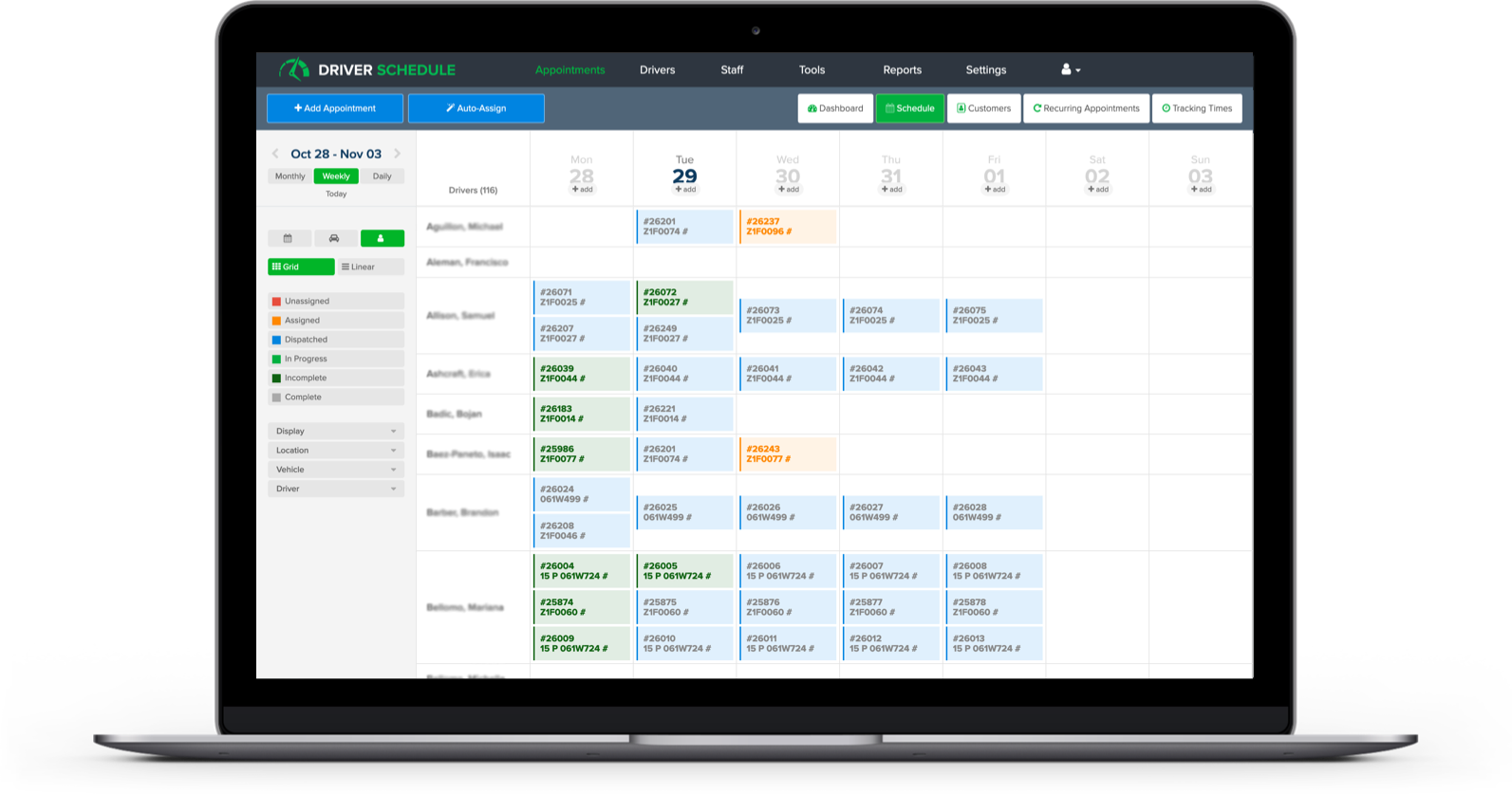
Driver Schedule replaces spreadsheets, whiteboards, paper logs, and phone-based coordination with one centralized platform.
It helps trucking operations:
- Prevent overlapping driver assignments and route conflicts
- Reduce missed deliveries and scheduling delays
- Eliminate outdated route and load schedules
- Improve coordination between dispatchers and truck drivers
- Centralize load assignments and route planning
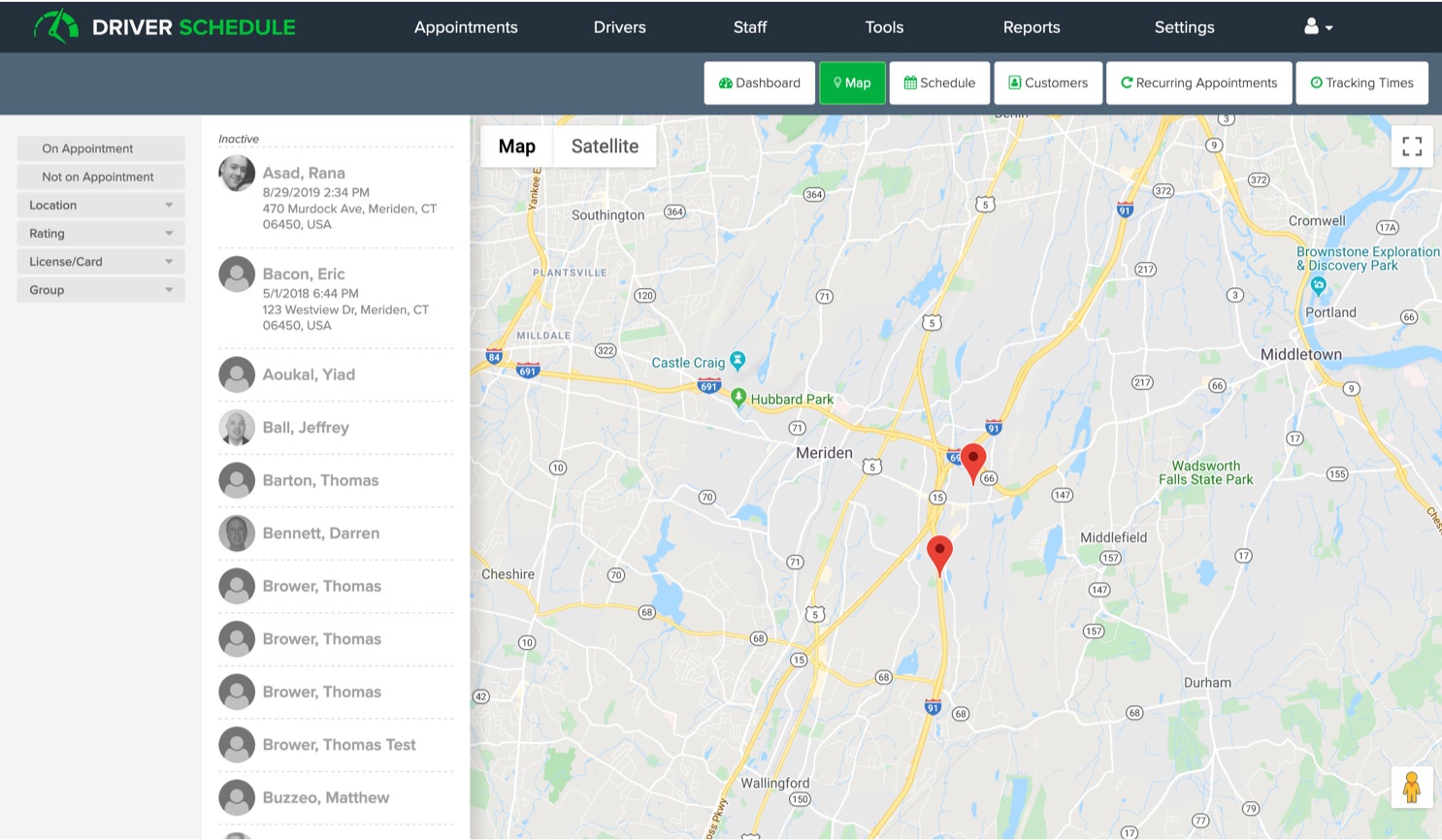
- Increase real-time operational visibility
For trucking companies managing high volumes of loads, routes, and driver schedules, this reduces administrative workload while improving delivery accuracy, efficiency, and on-time performance.
Is there a mobile app for truck drivers?
Yes. Driver Schedule includes a mobile app designed for truck drivers and staff.
The mobile app allows drivers to:
- View real-time route and load assignments
- Receive push notifications and SMS dispatch updates
- Access delivery details and locations instantly
- Receive updates when assignments change
- Stay aligned with the live dispatch schedule
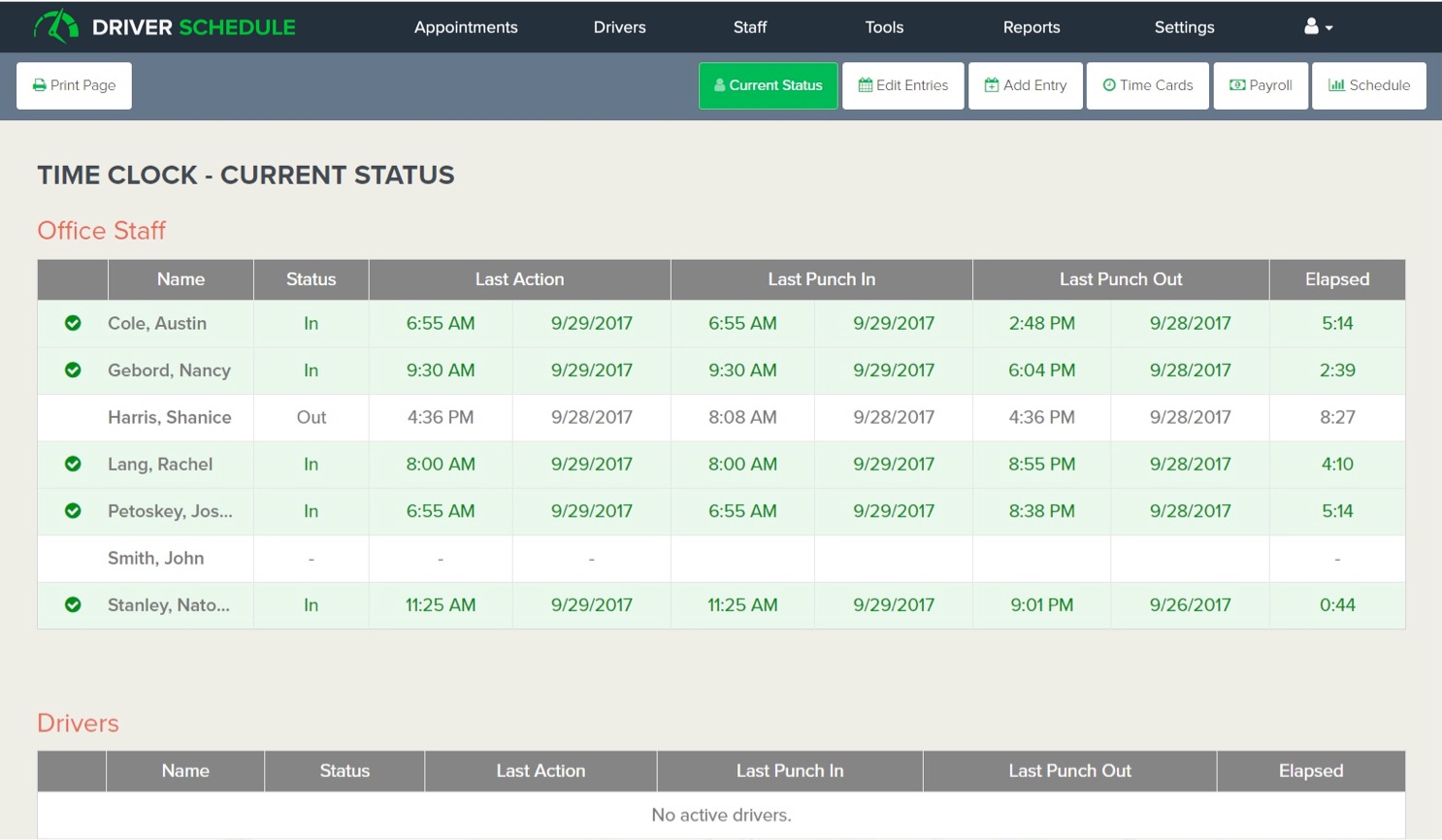
Administrative controls, reporting, and dispatch oversight are managed through the secure web dashboard, giving trucking companies full operational visibility.
This ensures truck drivers and dispatch teams always operate from the same live schedule.
How long does it take to implement truck driver scheduling software?
Most companies can begin using Driver Schedule in under 2 hours as a truck driver scheduling software solution.
Getting started typically involves:
- Creating your account
- Adding drivers and dispatch staff
- Building your first route or load schedule
No technical training or IT integration is required. The platform is designed for immediate use by dispatchers, fleet managers, and drivers.
This allows trucking companies to quickly move away from manual dispatch systems without disrupting daily operations.
What makes Driver Schedule different from other truck driver management software?
Driver Schedule is designed for real-time load coordination and driver-based dispatch management as a truck driver management software solution.
Unlike generic employee scheduling tools, it focuses on:
- Load assignments and dispatch workflows
- Driver availability and route scheduling
- Real-time schedule updates
- Dispatcher-to-driver communication
- Mobile workforce visibility
Many scheduling platforms are built for fixed workplace shifts.
Driver Schedule is built for trucking companies coordinating drivers, vehicles, and delivery routes in real time, resulting in fewer dispatch errors and smoother logistics operations.
How does truck scheduling software improve communication?
Truck scheduling software improves communication by centralizing load assignments and automating dispatch updates.
Driver Schedule reduces back-and-forth phone calls by providing:
- Automated push notifications
- SMS dispatch alerts
- Instant route and load updates
- Centralized schedule visibility
- Real-time change notifications
Truck drivers, dispatchers, and fleet managers all see the same live schedule.
This minimizes confusion and helps ensure deliveries are completed efficiently and on time.
Can truck driver software scale as my business grows?
Yes. Driver Schedule is designed to scale with growing trucking companies and logistics operations.
As operations expand, the platform helps:
- Standardize dispatch workflows
- Support larger driver teams
- Manage higher load volumes
- Reduce administrative overhead
- Maintain visibility across routes and service areas
Without centralized truck driver software, coordinating drivers and deliveries becomes increasingly complex as businesses grow.
Driver Schedule helps trucking companies scale operations without proportionally increasing dispatch staff while maintaining efficient, real-time logistics coordination.